
Altered state of consciousness
A temporary mental state differing from normal waking consciousness.

missing name · Public domain
An altered state of consciousness (ASC) is any condition significantly different from a normal waking state, almost always temporary. The term describes induced changes in mental state and is also known as altered state of mind, altered mental status, or mind alteration. In academia, Arnold M.
- key_definers
- Arnold M. Ludwig, Charles Tart, William Farthing
Lore & Background
Ludwig attempted the first formal definition, describing an altered state as any mental state induced by physiological, psychological, or pharmacological maneuvers that deviates from normal waking consciousness. William Farthing later added that an ASC is short-term or reversible and may not be recognized as such at the moment, relying solely on subjective experience.
Reader's Guide
Examples include the rites of Dionysus, the Eleusinian Mysteries, yoga, and meditation. Shamanic traditions use ASCs to serve their community. Terence McKenna suggested that prehistoric use of psychedelic mushrooms may have influenced the evolution of human language and symbol use. Some theorists propose that mind-altering substances like soma helped form major religions. Scientific study of ASCs was dismissed during the early 20th century due to behaviorism, which pathologized them as symptoms of intoxication or demonic possession. William James's interest in mystical and drug-induced states helped reintroduce introspection as a valid method. The social changes of the 1960s led to wider acceptance, with researchers like Abraham Maslow, Walter N. Pahnke, Stanislav Grof, and Charles Tart focusing on beneficial aspects such as creativity and addiction treatment. The Good Friday Experiment by Pahnke suggested that psilocybin can trigger mystical experiences, later valued by participants as spiritual high points. Charles Tart's book 'Altered States of Consciousness' provided a first summary and coined key terms like discrete and baseline states. Classification systems have been proposed, such as Dieter Vaitl's five categories based on induction method: pathological, pharmacological, physical/physiological, psychological, and spontaneous.
Origins of the Term and Academic Adoption
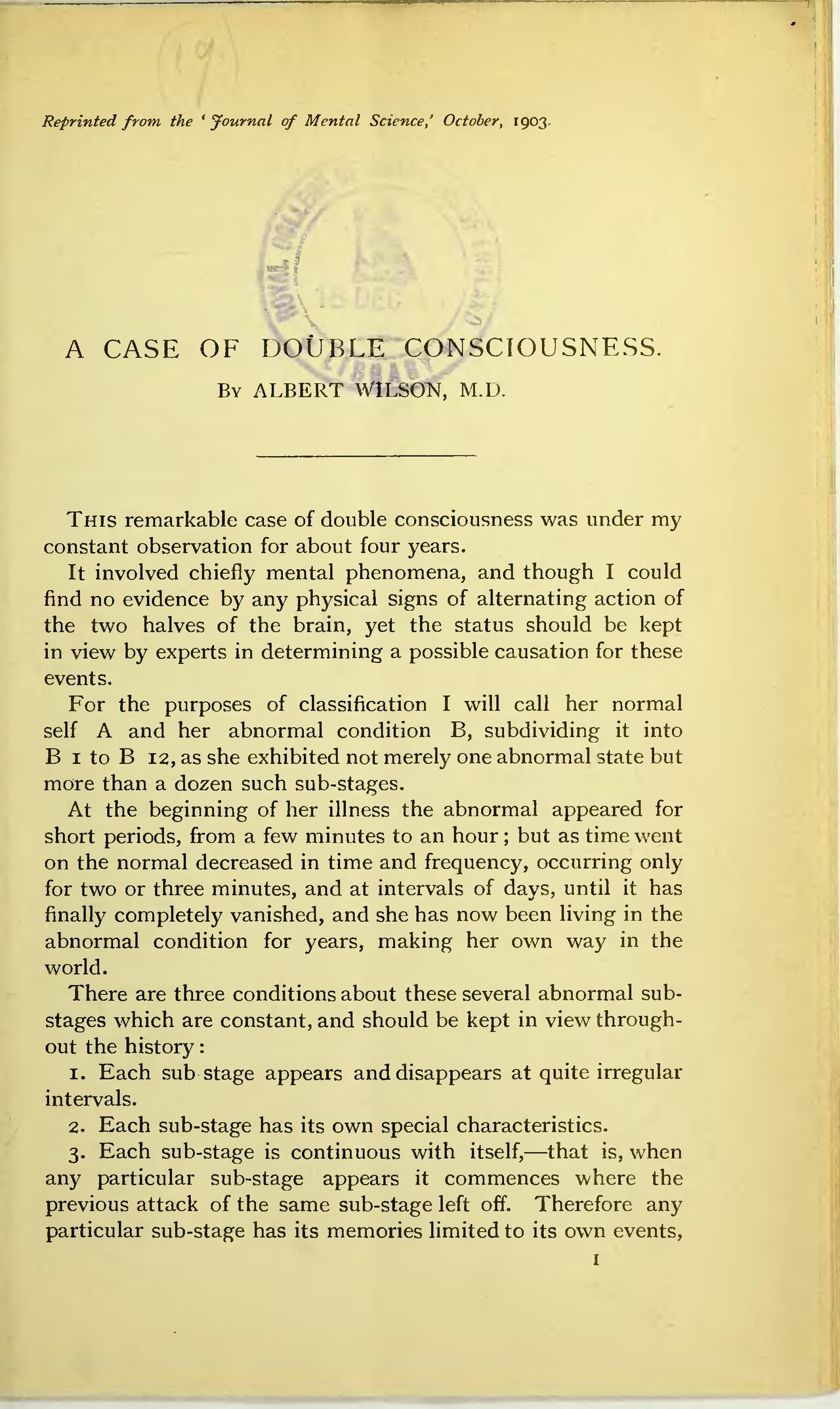
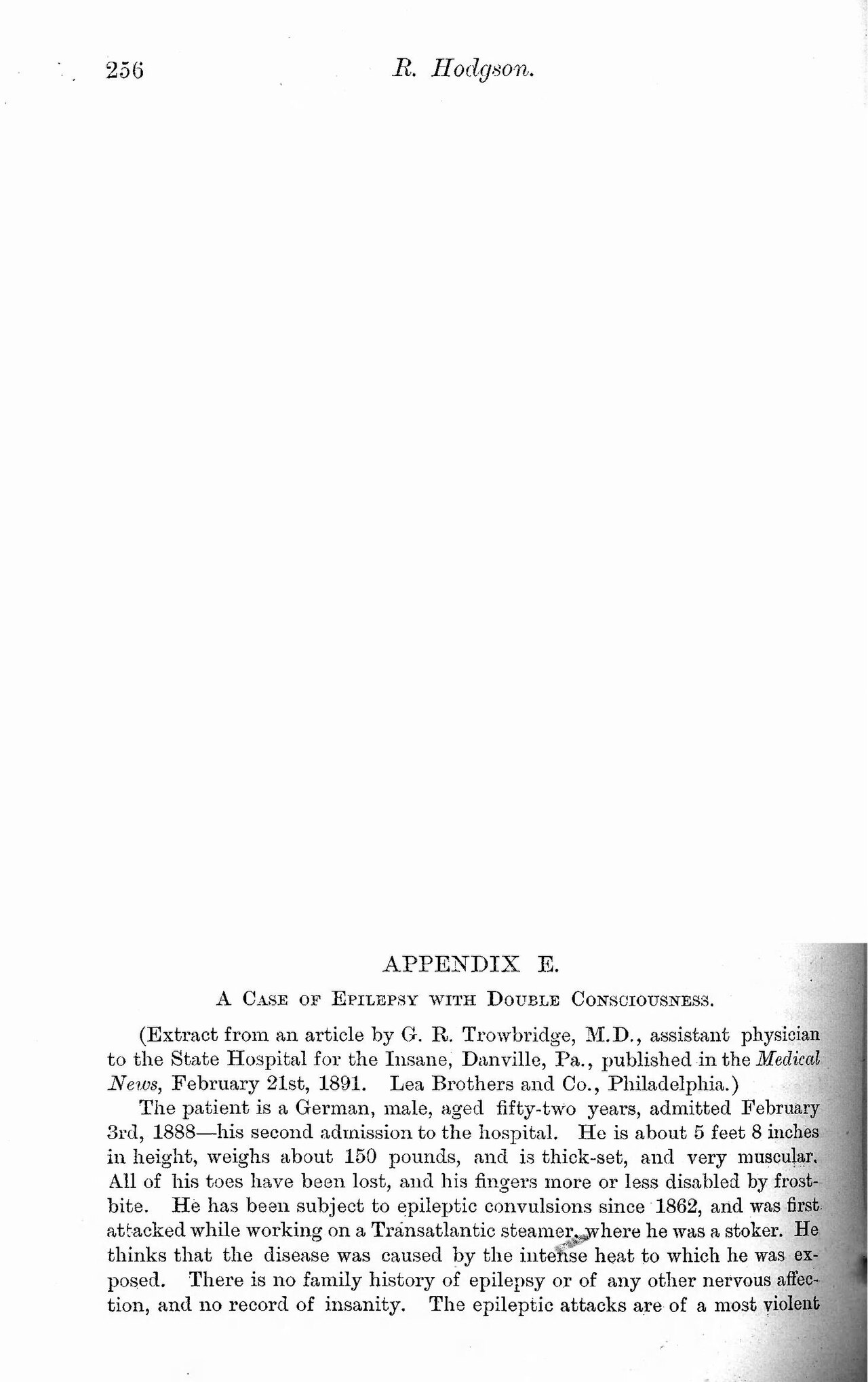
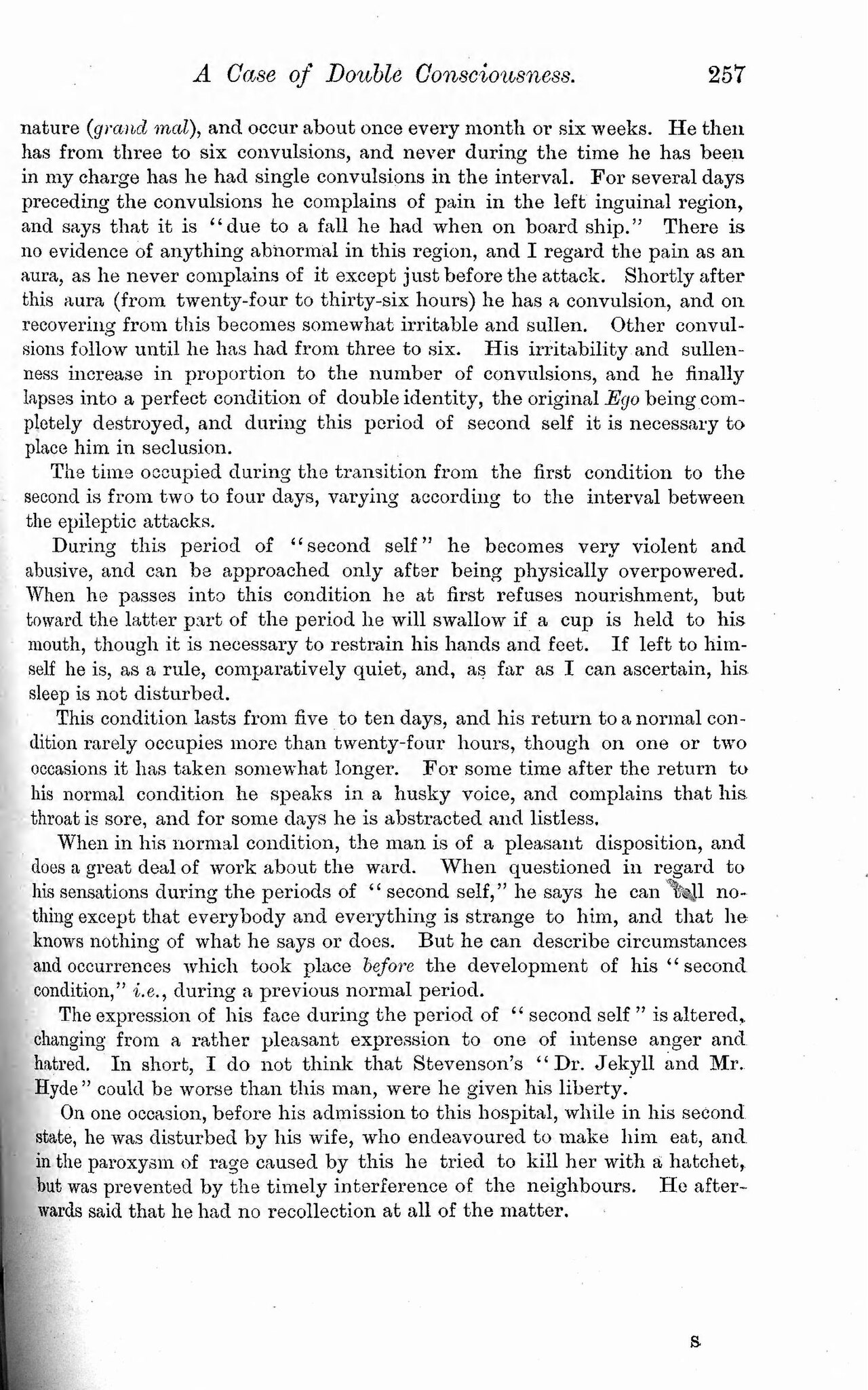
The phrase 'altered state of consciousness' carries a layered history that stretches back to the late nineteenth century. By 1892, the expression was already in circulation in connection with hypnosis, although scholars continue to debate whether hypnosis genuinely qualifies as an altered state under the criteria used today. A clearer and more unambiguous usage surfaced in 1904, when Max Mailhouse presented the term in relation to epilepsy at a professional conference, a pairing that endures in clinical and academic language to this day. The term's formal entry into academic discourse came considerably later. In 1966, Arnold M. Ludwig introduced the expression into scholarly writing, and by 1969, Charles Tart had propelled it into widespread common usage across multiple disciplines. The concept also travels under several synonymous labels, including 'altered state of mind,' 'altered mental status,' 'mind alteration,' and 'altered state of awareness,' each pointing to the same fundamental idea: a condition in which a person's mental state departs significantly from the ordinary waking baseline.
The Definitional Challenge
Pinpointing exactly what constitutes an altered state of consciousness remains an open problem, largely because any attempt at definition must first establish what counts as a normal waking state. No single consensus definition has emerged across philosophy, psychology, and neuroscience. Ludwig's 1966 formulation described an altered state as a mental condition induced by physiological, psychological, or pharmacological means that either the individual or an outside observer recognizes as a sufficient departure from their usual waking norms. Tart shifted the emphasis squarely onto subjective experience, characterizing altered states as alternate patterns of experience that differ qualitatively from a baseline. Farthing, building on Tart's terminology, added that an altered state is short-term or at least reversible and may not even be recognized as such in the moment. He identified fourteen dimensions of changed subjective experience, arguing that multiple dimensions must shift before a state qualifies. Schmidt's 2016 working definition for neuroscientific research reframed the issue experimentally: most people possess a strong intuition about what feels normal, and any state diverging significantly from that baseline, provided it lasts only minutes to hours, can be studied as an altered state. Crucially, Schmidt emphasized that an altered state is not a mere quantitative change in a single cognitive function but a multidimensional phenomenon involving shifts across multiple aspects of consciousness.
Ancient Roots and Cultural Practices
Evidence suggests humans have deliberately sought altered states of consciousness for at least thirty thousand years. Mind-altering plants and intense dancing were employed to reach ecstatic or mystical conditions in prehistoric settings. Ancient religious traditions provide some of the earliest documented examples: the rites of Dionysus and the Eleusinian Mysteries in Greece, alongside yoga and meditation practices in South Asia, all relied on shifts in consciousness as central to spiritual experience. In shamanic traditions around the world, practitioners enter altered states specifically to serve their communities. The theorist Terence McKenna went further, proposing that the use of psychedelic mushrooms in prehistoric times may have driven the evolution of human language and symbolic thought. Some scholars have also speculated that substances like soma played a role in shaping several of the world's major religions. In contemporary psychology, meditation in its various forms is being rediscovered for its therapeutic potential and its capacity to help the mind settle into calmer activity, while techniques such as hypnosis and meditation continue to support psychological processes in clinical settings.
From Scientific Rejection to Modern Research
The scientific study of altered states of consciousness has followed a dramatic arc of rejection and rehabilitation. During the early twentieth century, the dominant behaviorist paradigm in psychology effectively dismissed altered states as a legitimate field of inquiry. Rather than being studied as phenomena in their own right, they were pathologized, reduced to mere symptoms of intoxication or even framed in terms of demonic possession. The turning point came through William James, whose interest in mystical experiences and drug-induced states helped reintroduce first-person subjective experience as a valid subject of academic investigation, contributing to the broader reconsideration of introspection as a research method. The social upheavals of the 1960s then decisively shifted the scientific landscape, opening the door for altered states to be taken seriously in mainstream research. Today, the field draws on multidimensional frameworks, psychometric questionnaires, and experimental comparisons to a subjectively judged baseline, treating altered states not as simple quantitative changes in a single cognitive function but as complex, patterned shifts across multiple aspects of consciousness.
Gallery
Frequently Asked Questions
What exactly is an altered state of consciousness?
It is any temporary mental condition that departs noticeably from ordinary waking awareness, such as those produced by meditation, sleep, or certain substances. The term covers a broad range of induced shifts in perception, cognition, and self-awareness.
Who are the key figures credited with defining altered states of consciousness?
Arnold M. Ludwig, Charles Tart, and William Farthing are the scholars most associated with formally delineating the concept in academic psychology. Their work established the boundaries and criteria that distinguish an altered state from standard waking consciousness.
What other terms do people use for altered state of consciousness?
You will also see it called altered state of mind, altered mental status, or simply mind alteration. These are all interchangeable labels for the same underlying phenomenon of a shifted mental condition.
Is an altered state of consciousness a permanent change?
No—by definition, it is almost always a temporary departure from the baseline waking state. Once the inducing factor (a drug, a meditative practice, a sleep cycle) wears off, consciousness typically returns to its ordinary pattern.
Why does the concept of altered states of consciousness matter in psychology?
It gives clinicians and researchers a shared vocabulary for describing experiences that fall outside everyday awareness, from hypnosis to psychedelic episodes. Recognizing these states as a distinct category helps structure both theoretical models and therapeutic interventions.
More in Mental Health & Psychology 1-20
Spotted an error? Know more?
This is a living reference — every entry is fact-audited, and reader corrections feed straight into our audit queue. Suggest an edit · See this site's audit record